
(Dis)Empowered Communities: A Conversation with Davide Orsini

Authors

  • Davide Orsini Rachel Carson Center
  • Uwe Lübken Rachel Carson Center

DOI:

https://doi.org/10.5282/rcc-springs-17462

Abstract

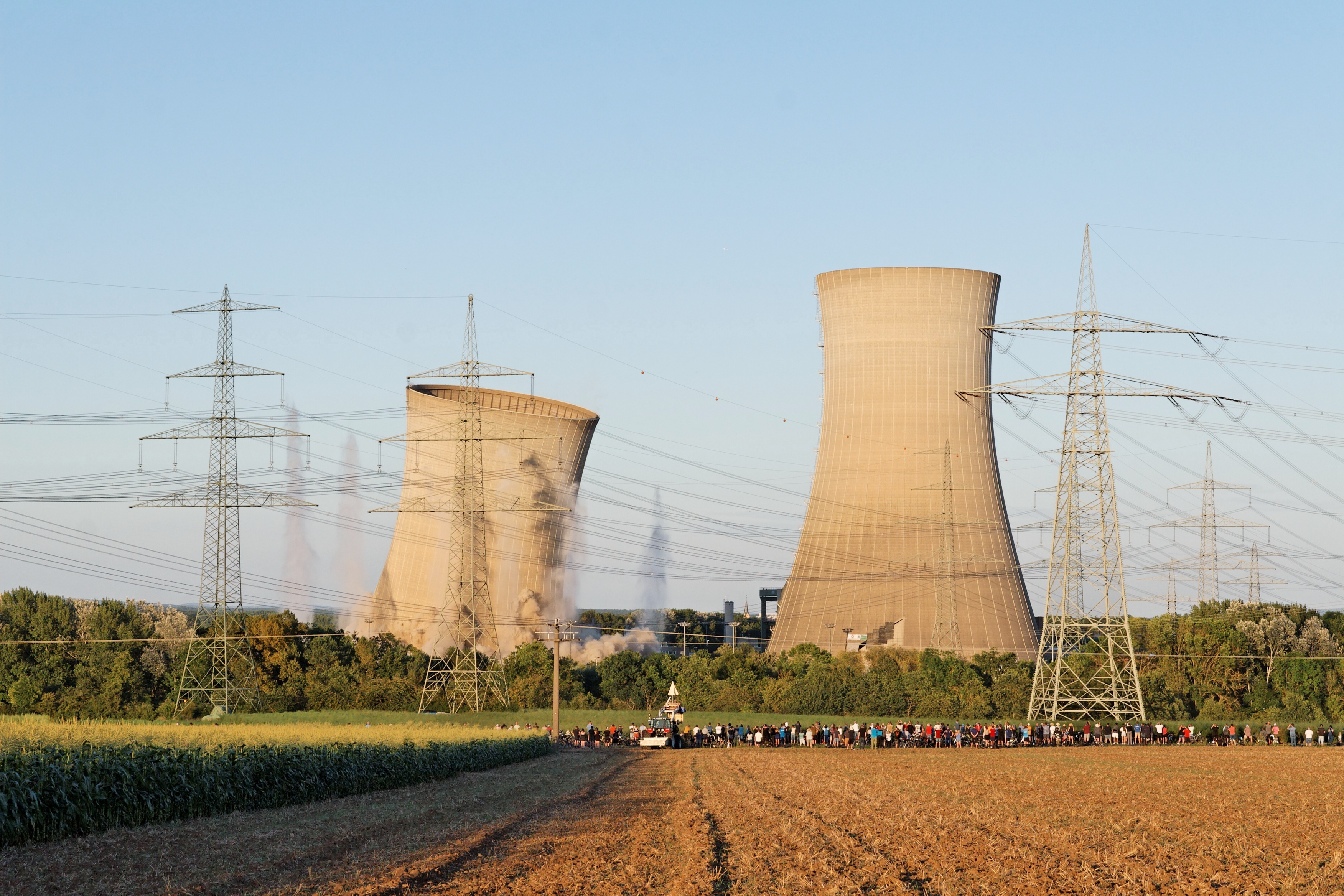
Anthropologist Davide Orsini and historian Uwe Lübken shed light on nuclear decommissioning in their conversation about Davide’s Volkswagen Foundation Change! project “(Dis)Empowered Communities.” The final “phase in the life cycle of nuclear facilities” not only raises questions about contamination and future use of the sites, as Davide explains, but also shapes the cultural and physical landscapes of local communities.
Author Biographies

  • Davide Orsini, Rachel Carson Center

    Davide Orsini holds a PhD in anthropology and history and a certificate in science, technology, and society (STS) from the University of Michigan. His research has focused on the social, political, and ecological implications of nuclear-power applications after WWII. Davide is PI of the research project “(Dis)Empowered Communities: A Comparative Study of Decommissioning Nuclear Sites,” based at the RCC. He previously was a Marie Skłodowska-Curie Fellow at the RCC, a Zurich-Munich Fellow, and assistant professor at Mississippi State University.

  • Uwe Lübken, Rachel Carson Center

    Uwe Lübken is lecturer and coordinator of the MA program Environment and Society at the RCC. He has held teaching and research positions at the universities of Cologne, Munich, and at the German Historical Institute in Washington, DC. His publications include a prize-winning book on the US perception of the National Socialist threat to Latin America and several edited volumes, special issues, and articles on (US) transnational and environmental history.

Photo by Michael Bemmerl. Wikimedia Commons. CC BY 3.0 DE.

Downloads

Published

04-11-2025

Issue

Section

Articles